

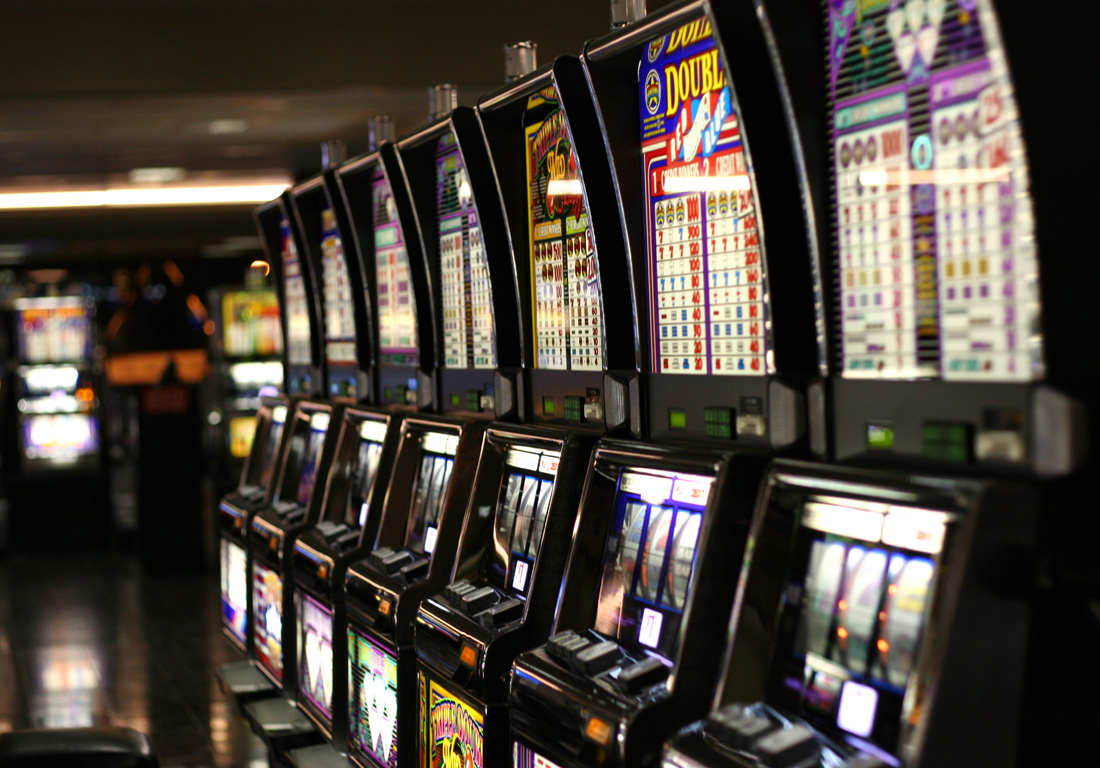
Slot machines are among the most recognizable features of modern casinos. Their popularity comes from simple gameplay, fast results, and visually engaging designs. While they appear straightforward on the surface, slot machines operate using advanced technology and carefully designed probability systems that ensure fairness and consistency.
Understanding how these machines function helps players make informed decisions and manage expectations responsibly.
The Basic Structure of a Slot Machine
Every slot machine follows a structured system that controls gameplay outcomes.
A typical machine includes:
- A digital random number generator
- Reels displayed on screen or mechanical rollers
- A payout table defining winning combinations
- A betting interface for selecting wager amounts
- A central processor that records game activity
These components work together to produce results instantly when a player presses the spin button.
What the Random Number Generator Actually Does
The most important part of any slot machine is the Random Number Generator, often called RNG.
The RNG:
- Continuously produces number sequences every second
- Determines reel positions the moment the spin button is pressed
- Ensures results are unpredictable and independent
- Prevents manipulation by players or casino staff
Because the system runs continuously, outcomes cannot be influenced by timing strategies or betting patterns.
Understanding How Slot Machine Reels Operate
Modern slot machines typically use digital reels instead of mechanical ones.
Digital reels:
- Display symbols selected by the RNG
- Simulate traditional spinning motion visually
- Support multiple paylines simultaneously
- Allow creative themes and bonus features
Although reels appear to spin for several seconds, the outcome is already determined at the moment the spin begins.
The Role of Paylines in Determining Wins
Paylines are the lines across which matching symbols must appear to create winning combinations.
Common paylines include:
- Horizontal lines
- Zigzag patterns
- Diagonal combinations
- Multi direction paylines in advanced machines
Machines with more paylines offer more chances to win but may also require higher total bets per spin.
How Payout Percentages Are Built Into Slot Machines
Each slot machine is programmed with a payout percentage often referred to as return to player.
This percentage represents the average amount returned to players over many thousands of spins.
For example:
- A higher percentage usually means longer playing sessions
- A lower percentage may lead to quicker results but higher variability
- Percentages operate over long time periods rather than single sessions
Casinos configure machines within regulatory limits to maintain balanced gameplay.
Why Slot Machine Results Cannot Be Predicted
Slot machines operate independently on each spin.
Important facts about outcomes include:
- Previous spins do not affect future spins
- Winning streaks cannot be triggered intentionally
- Loss patterns do not signal upcoming wins
- Timing strategies do not influence results
Each spin is a separate event controlled entirely by probability algorithms.
Bonus Features That Increase Player Engagement
Modern slot machines include bonus features designed to enhance gameplay variety.
Popular features include:
- Free spin rounds
- Multipliers that increase payouts
- Expanding symbols
- Interactive mini games
- Progressive jackpot opportunities
These features add entertainment value while maintaining the same probability framework as standard spins.
Progressive Jackpots and How They Grow Over Time
Progressive jackpots increase gradually as players place bets on linked machines.
These jackpots:
- Collect small contributions from each wager
- Continue growing until won
- Can be connected across multiple machines or locations
- Reset after payout and begin building again
Because many players contribute simultaneously, jackpot values can become very large.
Why Casinos Offer So Many Slot Machines
Slot machines are widely available because they combine accessibility with efficient operation.
Casinos prefer them because:
- They are simple for beginners to understand
- They operate continuously without manual dealing
- They support multiple betting levels
- They attract both casual and experienced players
Their flexibility makes them a central feature of most casino gaming floors.
Frequently Asked Questions
1. Are slot machines mechanical or digital today
Most modern slot machines are digital systems powered by software driven random number generators rather than mechanical reels.
2. Can players influence slot machine outcomes through betting patterns
Betting patterns do not affect results because each spin is independently determined by probability algorithms.
3. What determines how often a slot machine pays out
Payout frequency depends on the machine’s programmed return percentage and internal probability structure.
4. Do casinos adjust slot machine results during operating hours
Licensed machines operate under regulatory standards that prevent real time outcome manipulation during gameplay.
5. Are progressive jackpot machines harder to win
Progressive jackpots typically involve lower odds because they accumulate large prize pools over time.
6. Does increasing bet size improve chances of winning
Increasing bet size raises potential payout value but does not change the probability of symbol combinations appearing.
7. Why do slot machines display near winning combinations frequently
Near winning combinations are part of the programmed visual experience and do not indicate that a win is about to occur.

Comments are closed.