

Key Takeaways
In Utah, plasma donations are vital for treating various conditions, including hemophilia and immune deficiencies, with the potential to save up to three lives per donation.
Donated plasma serves multiple medical purposes, such as providing clotting factor replacement for hemophilia patients and immune globulin therapy for individuals facing immune deficiencies.
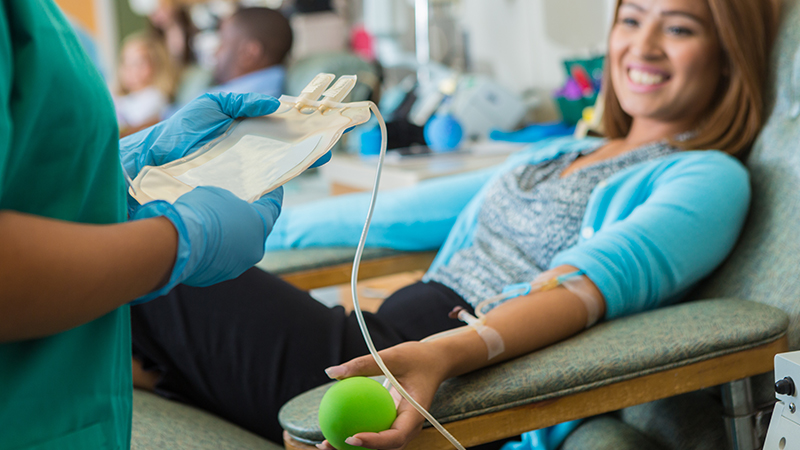
The process of plasma donation includes registration, health screening, and the donation itself, typically taking around 45 minutes within a safe, regulated environment.
Preparation for plasma donation should focus on hydration and consuming a balanced meal, both of which improve the donation experience and support donor well-being.
Donors can safely increase their donation frequency by scheduling appointments sensibly and being mindful of their body’s recovery needs.
Nutrition plays a crucial role in plasma quality, with iron-rich and protein-based foods advised to enhance plasma composition and donor health.
Community events in Orem, UT, promote awareness of plasma donation and build connections among donors and patients, highlighting the collective impact that individual contributions can make.
Why Donating Plasma in Utah is a Big Deal for Healthcare
The Impact of Plasma Donations on Local Patients
In Utah, plasma donations significantly influence the health of local patients. Each donation can help treat serious conditions such as hemophilia, immune deficiencies, and liver diseases. Many hospitals rely on these life-saving therapies derived from human plasma. Just think about it—what if every donation could help save multiple lives? When individuals choose to donate plasma, they contribute directly to a vital resource of treatments capable of dramatically changing a patient’s health journey.
A remarkable statistic shows that one plasma donation can save up to three lives. That’s quite impactful. Each vial collected from a single donor gets divided into different components, broadening its usage possibilities. From clotting factors to immunoglobulins, the range of applications emphasizes the immense value Utah residents provide through their selfless donations.
Understanding the Medical Uses of Donated Plasma
A comprehensive understanding of how donated plasma is applied in medicine illustrates its systemic impact. Medical professionals have recognized several key uses for plasma therapies:
- Clotting factor replacement: Essential for hemophilia patients.
- Immune globulin therapy: Supports individuals with immune deficiencies.
- Plasma exchange: Important for treating conditions like Guillain-Barré syndrome.
Chronic illness patients often find themselves relying heavily on these treatments. It’s reassuring to acknowledge that every unit of plasma offers them a fighting chance for recovery. Experts emphasize that grasping the medical implications of plasma donation can serve as a motivating factor for individuals to take action.
Thus, in Utah, community focus on plasma donation truly transforms lives. Greater awareness is bound to elevate the impact, illustrating the ripple effects stemming from a single donation.
Step-by-Step Guide to Your First Plasma Donation
What to Expect During the Donation Process
For many, stepping into the realm of plasma donation may seem intimidating at first. Yet, understanding the process can make it much less daunting. Here’s a detailed breakdown of what typically occurs during a plasma donation:
- Registration: Upon arrival, donors fill out several forms, including health questionnaires.
- Health Screening: Medical professionals will evaluate blood pressure, temperature, and hemoglobin levels.
- Donation: Once cleared, the actual donation process begins, usually lasting about 45 minutes.
Professionals assure donors that protocols are established to ensure comfort and safety throughout the procedure. The environment is regulated and sterile, prioritizing the donor experience. After donating, some clinics offer refreshments to help restore energy levels.
Understanding these steps can ease anxiety regarding the process. Donors depart not just having contributed to a significant cause but also feeling a sense of support.
Preparing for Your Appointment: Essential Tips
Preparation plays a crucial role in ensuring a smooth donation experience. Clients often discover that following these essential tips can enhance their donations:
- Stay hydrated: Drink ample water before the appointment.
- Eat a balanced meal: Opt for healthy snacks rich in protein and iron.
- Avoid alcohol: Skip alcoholic beverages a day prior to donating.
By adhering to these simple guidelines, donors pave the way for a successful experience. A bit of preparation can significantly improve how one feels during and after the donation.
Maximizing Your Plasma Donation Experience
How to Increase Your Donation Frequency Safely
Once individuals embark on plasma donation, many wish to continue this practice regularly. But here’s the catch: plasma donation is about quality as much as it is about quantity. Experts recommend understanding the regulations governing donation frequency—typically allowing for donations twice a week. This ensures a fulfilling donation experience while maintaining a healthy body.
To genuinely maximize donation frequency without compromising health, consider these tips:
- Listen to your body: Recovery is essential after each donation.
- Schedule appointments wisely: Space out donations to allow adequate time for plasma replenishment.
- Consult professionals: Communicate with staff at donation centers about personal donation goals and health.
Every donor’s body may respond differently to the donation process, so tailoring one’s approach fosters a more effective donation experience.
Nutrition Tips for Optimal Plasma Quality
Nutrition has significant importance in ensuring the quality of plasma. Certain foods can enhance plasma protein levels while helping donors feel their best before donating. Here are a few dietary adjustments recommended:
- Iron-rich foods: Lean meats, beans, and spinach improve iron levels.
- Protein sources: Chicken, fish, and dairy support overall health and plasma quality.
- Stay hydrated: Adequate water intake has a direct effect on plasma viscosity.
Focusing on these aspects often leads to an improvement in plasma quality. A dedicated approach to nutrition not only benefits the donation process but also enhances the donor’s general well-being.
Community and Support: The Heart of Plasma Donation
Connecting with Others: Donor Stories that Inspire
Storytelling can be a powerful motivator for action. Within Utah’s plasma donation community, stories of triumph and gratitude circulate often. Donors relay heartwarming experiences of lives transformed due to their contributions. Each tale resonates, reinforcing a shared purpose and enthusiasm across the community. Several donors share how life events inspired their decision to donate.
“I never realized how my plasma could contribute to someone’s recovery until I heard from a patient firsthand.”
Listening to such personal stories strengthens connections among both donors and patients. It serves as a reminder that donating plasma is not just a clinical act; it embodies a shared journey of compassion and community support in Utah.
Local Events and Initiatives in Orem, UT
Community initiatives in Orem prioritize raising awareness about plasma donation. Local organizations frequently host events to inform residents of the importance of donating plasma. They emphasize recent advancements in treatment applications and how donating plasma in Utah contributes to these developments. Here are a few engaging events that populate the annual calendar:
- Plasma education days: Interactive events aimed at teaching the public about plasma’s structure and functions.
- Fundraising drives: Engaging initiatives that combine fun activities to boost donor turnout while raising funds for local health programs.
- Community drives: Focused efforts targeting specific health needs in the region.
Participating in these events allows individuals not only to gain knowledge but also to connect with others who prioritize health and community well-being.
Ultimately, these initiatives underscore that donating plasma is not merely an individual act; it’s part of a broader commitment to supporting lives in Utah.
FAQ
How does donating plasma differ from donating blood?
While both processes involve drawing blood, plasma donation specifically collects the liquid component, rich in proteins and antibodies needed for various treatments. Blood donation, conversely, collects whole blood, which includes red blood cells, white blood cells, and platelets. Each has its distinct medical purposes.
Are there age or weight restrictions for plasma donors in Utah?
Yes, typically, plasma donors should be at least 18 years old and weigh no less than 110 pounds. These criteria are designed to ensure the donor’s safety and capacity to donate without negatively affecting their health.
What happens to plasma once it’s donated?
Following collection, plasma undergoes processing and separation into components like clotting factors and immune globulins. These components then get distributed to medical facilities for treating various conditions, which greatly benefit patients who rely on these life-saving therapies.
Can individuals donate plasma if they have a chronic illness?
This depends largely on the specific illness and the individual’s health status. Certain chronic conditions might exclude a person from donating. Consulting with medical professionals at the donation center will clarify eligibility and health safety.
Is there any cost associated with donating plasma?
No, donating plasma is usually free of charge. However, many donation centers compensate donors for their time and contributions, which can vary depending on location and donation frequency. This compensation encourages regular donations while highlighting the importance of plasma collection.
How are plasma donation centers ensuring safety and hygiene?
Plasma donation centers strictly follow health and safety regulations, implementing sterile techniques and maintaining clean environments. Staff are trained to monitor donor well-being throughout the process to ensure a safe experience for everyone involved and to mitigate any risks associated with donation.
What are some common uses for the plasma that is collected?
Common applications for donated plasma include treatment for hemophilia, immune deficiencies, and conditions necessitating plasma exchange therapy, such as Guillain-Barré syndrome. Each unit collected has the potential to greatly impact patients’ health and overall quality of life.
How can one stay updated on local plasma donation events?
Individuals can keep in touch with local plasma donation centers and community organizations via social media or by subscribing to newsletters for updates on events. These channels often announce educational initiatives, community drives, and other activities aimed at boosting awareness and participation in plasma donation.

Comments are closed.