

Key Takeaways
Dental crown replacement showcases a dedication to oral health. It not only enhances aesthetics but also offers crucial functional benefits that elevate overall wellbeing.
This replacement process restores bite pressure, evenly distributes forces to remaining teeth, and helps prevent complications like root infections, ultimately fostering long-term oral health.
Post-replacement, improved chewing efficiency allows clients to enjoy a wider variety of foods without discomfort, supporting a balanced diet and overall lifestyle.
Patients frequently notice a surge in self-esteem after the procedure, which often translates to better social interactions and a more assured presentation in daily life.
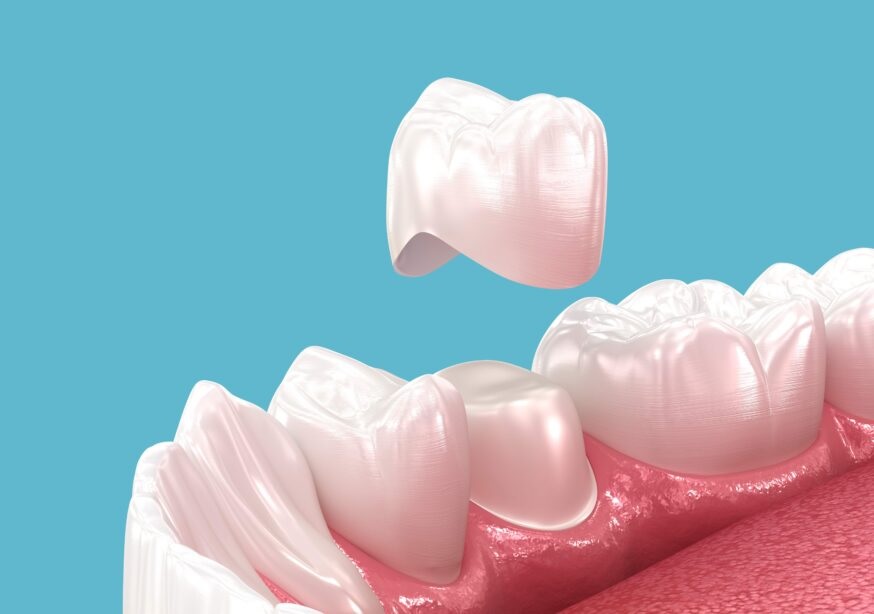
The journey of dental crown replacement comprises various phases, starting from the initial consultation to the final fitting, with each stage focused on ensuring patient comfort and satisfaction.
After placement, maintaining proper care, which includes excellent oral hygiene and routine dental check-ups, is key to maximizing the crown’s lifespan.
Recognizing signs such as chipping or discomfort is crucial for timely replacement, thus preventing further dental complications and improving overall aesthetics.
Why Choosing Dental Crown Replacement is a Big Deal for Your Smile
Opting for dental crown replacement reflects a person’s strong commitment to maintaining oral health. This decision is not just about looks; it carries significant practicality that can greatly enhance overall wellbeing. With modern advancements in materials and techniques, the potential of dental crowns has evolved. Patients often highlight not only improvements in functionality but also newfound confidence, transforming their lives in unexpected ways.
The Long-Term Benefits of Crown Replacement for Oral Health
Professionals emphasize the importance of tooth crowns in preserving oral function. Clients frequently enjoy a restoration of bite pressure, which assists in evenly distributing forces across remaining teeth. It’s more than comfort; it affects long-term health. Addressing underlying problems can prevent complications like root infections or capsuling, laying the groundwork for a healthier mouth.
However, it’s not just about utility. Many individuals opting for crown replacement find that their ability to chew improves significantly. They rediscover enjoyment in their favorite foods without fear of pain. Custom-fitted crowns help minimize wear on adjacent teeth, which is vital in preserving the entire dental structure’s integrity.
- Improved bite efficiency translates to greater enjoyment of food.
- Reduced wear on adjacent teeth can extend their lifespan.
- Long-term cost savings come from avoiding potential complications.
Engaging with dentists during the decision-making process is essential. Each step during crown replacement is geared toward achieving optimal oral health.
How Crown Replacement Boosts Confidence and Aesthetic Appeal
Picture this: walking into a room and flashing a smile without hiding any flaws. That’s the confidence that dental crown replacement can cultivate. Many clients report a noticeable enhancement in their emotional wellness after the procedure, as simple actions like smiling or laughing shift from being sources of insecurity to moments of joy. This change extends beyond teeth; it profoundly affects self-presentation and social interactions.
But what’s behind this transformation? It’s all in the craftsmanship. A well-crafted crown can closely mimic natural teeth—it doesn’t just blend in; it elevates one’s overall appearance. Often, individuals are impressed by the artistry involved in selecting the right color, shape, and translucency, which requires both expertise and a discerning eye.
- An increase in self-esteem frequently results in more positive social engagements.
- High-quality crowns significantly enhance the aesthetic value of one’s smile.
- Patients tend to express a renewed eagerness to connect with others.
“Dental crown replacement is not merely about aesthetics; it’s about fundamentally altering the way individuals view themselves.” – Dental Expert
What to Expect During Your Dental Crown Replacement Journey
Understanding the process eases apprehension before undergoing dental crown replacement. Anticipating what’s next promotes a sense of control. Each phase of the journey is crafted with the patient’s comfort in mind.
A Step-by-Step Overview of the Crown Replacement Process
Breaking down this impactful procedure reveals a series of distinct yet interconnected stages designed for a seamless experience:
- Initial Consultation: A thorough discussion regarding the patient’s specific needs, alongside examinations and diagnostics.
- Preparation: The dentist readies the tooth by eliminating decay or damage, ensuring an accurate fit.
- Impressions: Customized impressions are made to craft the ideal crown that fits snugly and comfortably.
- Temporary Crown: A temporary crown is applied to safeguard the tooth while the permanent one is being prepared.
- Final Placement: After the crown is crafted, adjustments are made prior to securing it in place.
Clients often find this structured breakdown makes the journey feel manageable. Each step serves a distinct purpose toward achieving a healthy, beautiful smile.
What Happens After Crown Placement: Care and Maintenance Tips
The procedure’s conclusion marks an important moment, yet the follow-up is what often gets overlooked. Proper aftercare is essential to ensure the crown remains in excellent condition for years to come. Initially, patients may experience slight discomfort, but adopting the right care routines immediately is paramount.
- Prioritize excellent oral hygiene. Brushing and flossing should be top of mind.
- Regular dental check-ups are essential. Routine professional cleanings are vital for extending the life of crowns.
- Avoid hard foods right after placement to let any sensitivity diminish.
These proactive care steps are fundamental. By focusing on maintenance, clients can extend the life of their crowns and enhance their smiles for years ahead.
Common Reasons for Dental Crown Replacement You Should Be Aware Of
A crown isn’t necessarily permanent. Recognizing when and why a replacement is needed can empower patients to take proactive steps in managing their dental health. Staying vigilant and aware of one’s oral condition can lead to better outcomes.
Understanding Wear and Tear: When to Replace Your Crown
Even the sturdiest crowns can’t escape time’s grip. Over the years, wear can happen for various reasons, including chewing habits and grinding. Often, clients wonder, “How can I tell when a replacement is due?”
- Chipping or cracking can be a sign of structural failure.
- Discomfort or sensitivity might point to underlying issues.
- Visible discoloration or surface deterioration may lessen a crown’s visual appeal.
By being attentive to these indicators, individuals can act promptly, ensuring their crowns stay functional and visually pleasing. A straightforward consultation usually helps clarify the best course of action.
Deciding Factors: Damage, Decay, and Aesthetic Improvements
Life happens—accidents occur, and decay can sneak in without warning. Replacement needs often arise when damage is visible or suspected. Dental professionals stress the importance of swiftly addressing decay. Delaying necessary treatment could lead to more extensive—and costly—procedures. Aesthetics matter too.
- Accidental damage can create visible issues that require urgent attention.
- Decay lurking beneath a crown may jeopardize the tooth and necessitate a replacement.
- As patient preferences evolve, there might be a desire for improved materials or appearance.
Being aware of these deciding factors facilitates proactive measures that not only safeguard one’s investment in their smile but also boost the confidence that comes with it.
How to Choose the Right Dental Crown Material for Your Needs
Selecting the right crown material can feel overwhelming, but understanding the options clarifies the path. Each material possesses unique advantages and disadvantages, catering to individual preferences and needs.
Exploring Porcelain, Metal, and Resin Options for Durability
Diverse materials cater to differing requirements and budgets. Clients often ask, “Which choice is right for me?” Here’s a simple breakdown of popular options:
- Porcelain: Highly regarded for its aesthetic appeal, providing a natural tooth-like appearance, ideal for front teeth.
- Metal: Known for exceptional durability, making these crowns a solid choice for back teeth due to their resistance to wear.
- Resin: While more affordable, it’s generally less durable, making it suitable primarily for temporary crowns.
Choosing based on personal preferences and dental needs ensures satisfaction and longevity. Conversations with dental professionals can assist in determining the best fit.
Expert Insights on Material Choice: Balancing Cost and Quality
Cost will invariably play a role in material selection. However, prioritizing quality is essential. Opting for cheaper options might save money initially, but it could lead to greater expenses in the long run. Crown failures and replacements come with costs, both in finances and inconvenience.
“Investing wisely in crown materials pays dividends in longevity and function.” – Dental Specialist
Ultimately, finding the balance between cost and quality can help patients make informed decisions that serve them well into the future. Consulting with qualified professionals aids in customizing choices to fit individual circumstances and desires.
FAQ
How long can one expect a dental crown to last?
The lifespan of a dental crown can vary, depending on the material used, oral hygiene practices, and bite pressure. Generally, crowns may last anywhere from five to 15 years or more with proper care.
What factors influence the cost of crown replacement?
Costs can vary due to numerous factors, including the type of material selected, the procedure’s complexity, and the geographical location of the dental office. Consulting with a dental professional may clarify potential expenses.
Are there any dietary restrictions after getting a crown?
Post-placement, experts recommend steering clear of hard or sticky foods for a short time. This caution helps manage any sensitivity and ensures that the crown stays secure during the initial adjustment period.
Can a crown be replaced more than once?
Absolutely, crowns can be replaced as necessary. Factors like wear, damage, or shifts in aesthetic preferences may necessitate multiple replacements over a patient’s lifetime. Regular dental visits can point out when a replacement is due.
Is the crown replacement process painful?
Most clients report minimal discomfort throughout the crown replacement process, especially with the help of modern anesthesia. Dentists prioritize patient comfort, aiming for a smooth experience.
How do dental crowns impact overall dental health?
Dental crowns are vital for maintaining functionality, protecting damaged teeth, and enhancing bite dynamics. They can also prevent further complications, ultimately boosting overall oral health.
What should clients know about maintaining their dental crowns?
Clients should focus on maintaining excellent oral hygiene and scheduling regular dental check-ups. This proactive approach will help ensure crowns remain in optimal condition and significantly extend their lifespan.
How does one choose between different crown materials?
Choosing the right crown material hinges on factors like aesthetic preferences, tooth location, and budget. Consulting a dental professional can assist in tailoring decisions to individual needs for satisfaction and durability.
Useful Resources
- American Dental Association
- Mouth Healthy – A Resource by the ADA
- WebMD Oral Health Center
- Healthline
- Centers for Disease Control and Prevention (CDC) – Oral Health
- National Institute of Dental and Craniofacial Research
- California Department of Public Health – Dental Health
- com – Resource for Dental Information

Comments are closed.