

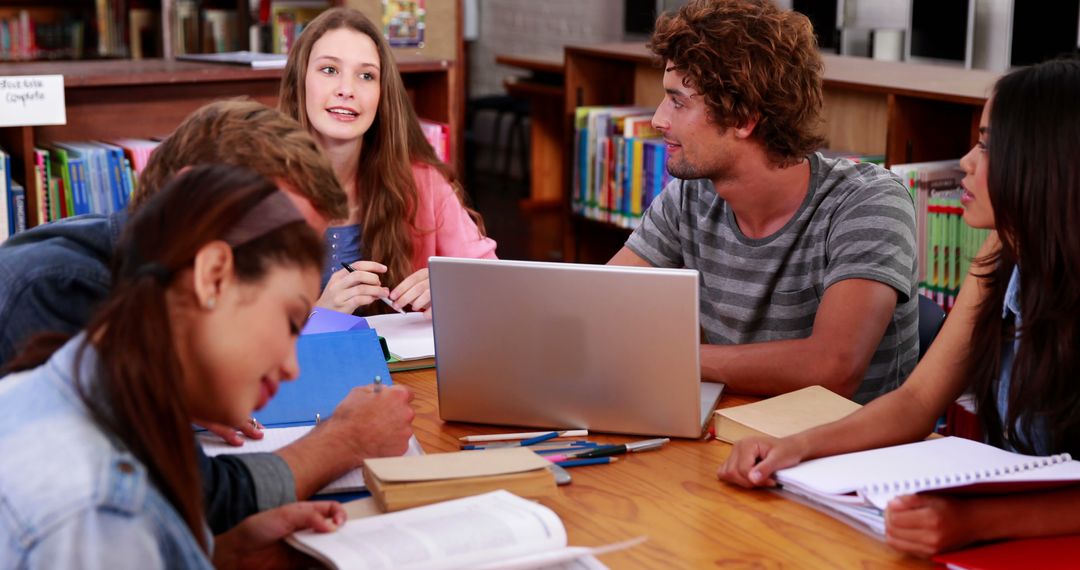
Education today is no longer limited to memorizing information or passing examinations. Modern learning focuses on preparing students for changing workplaces, evolving technologies, and global collaboration environments. Students who develop practical skills alongside academic knowledge are more prepared to succeed in higher education and professional careers.
This article explains the essential skills students should build to remain competitive and adaptable in the modern world.
Why Skill Based Education Matters Today
Traditional education systems focused mainly on theoretical understanding. However, modern industries require individuals who can apply knowledge in real situations.
Skill based education helps students:
- Adapt to changing job markets
- Improve decision making ability
- Strengthen communication skills
- Increase confidence in problem solving
- Prepare for real workplace expectations
Students who combine knowledge with practical ability become more valuable contributors in professional environments.
Communication Skills Support Academic and Career Growth
Communication is one of the most important abilities students must develop early.
Strong communication helps students:
- Express ideas clearly in classrooms
- Participate confidently in discussions
- Build teamwork relationships
- Present projects effectively
- Interact professionally in interviews
Both written and spoken communication contribute to long term academic success.
Critical Thinking Improves Learning Quality
Critical thinking allows students to analyze information rather than accept it without evaluation.
Students with strong thinking skills can:
- Interpret information accurately
- Identify reliable sources
- Solve complex academic problems
- Evaluate multiple solutions logically
- Make informed decisions independently
This ability supports deeper learning across all subjects.
Digital Literacy Is Essential in Modern Education
Technology has become a central part of education systems worldwide.
Students benefit from digital literacy by learning how to:
- Use research tools efficiently
- Access online learning platforms
- Organize academic information digitally
- Collaborate through virtual classrooms
- Protect personal data online
Digital competence improves both learning efficiency and career readiness.
Problem Solving Skills Prepare Students for Real Challenges
Problem solving helps students handle both academic tasks and everyday situations effectively.
Students who develop this ability can:
- Approach challenges systematically
- Identify possible solutions quickly
- Evaluate outcomes carefully
- Adapt strategies when needed
- Build confidence in independent learning
This skill becomes especially valuable in technical and professional environments.
Time Management Improves Academic Performance
Managing time efficiently allows students to balance assignments, exams, and personal activities.
Effective time management supports:
- Meeting academic deadlines consistently
- Reducing learning stress
- Improving concentration during study sessions
- Maintaining healthy study routines
- Increasing productivity throughout the school year
Students who organize their schedules perform better academically.
Collaboration Skills Strengthen Learning Experiences
Modern education increasingly emphasizes teamwork.
Collaboration helps students:
- Share ideas with classmates
- Understand different perspectives
- Develop leadership qualities
- Complete group assignments effectively
- Build interpersonal confidence
Team based learning reflects real workplace expectations.
Adaptability Helps Students Thrive in Changing Environments
Education systems continue to evolve with new technologies and teaching methods.
Adaptable students can:
- Adjust to new learning platforms easily
- Accept constructive feedback positively
- Handle academic transitions smoothly
- Stay motivated during challenges
- Continue learning beyond classroom boundaries
Adaptability supports lifelong learning success.
Self Discipline Encourages Independent Learning
Self discipline allows students to stay focused without constant supervision.
Students with strong discipline can:
- Maintain consistent study habits
- Complete assignments on time
- Avoid distractions during learning
- Set realistic academic goals
- Track their own progress regularly
Independent learners perform better in both school and higher education settings.
Frequently Asked Questions
1. Why is skill development important alongside academic learning
Skill development helps students apply theoretical knowledge in real situations and prepares them for future workplace responsibilities.
2. At what stage should students begin developing career related skills
Students benefit most when they begin developing practical skills during early school years alongside their academic studies.
3. How can teachers support skill based learning in classrooms
Teachers can support skill development through group activities, discussions, practical assignments, and project based learning approaches.
4. Can digital literacy improve student confidence in learning
Digital literacy helps students access learning resources independently and participate more actively in modern classroom environments.
5. How does teamwork benefit students academically
Teamwork encourages idea sharing, improves communication ability, and helps students complete complex assignments efficiently.
6. What role does self discipline play in academic achievement
Self discipline helps students maintain regular study routines and complete tasks without delays or supervision.
7. How can students continue learning skills outside classrooms
Students can build skills through reading, online courses, participation in activities, and practicing structured learning habits at home.

Comments are closed.