

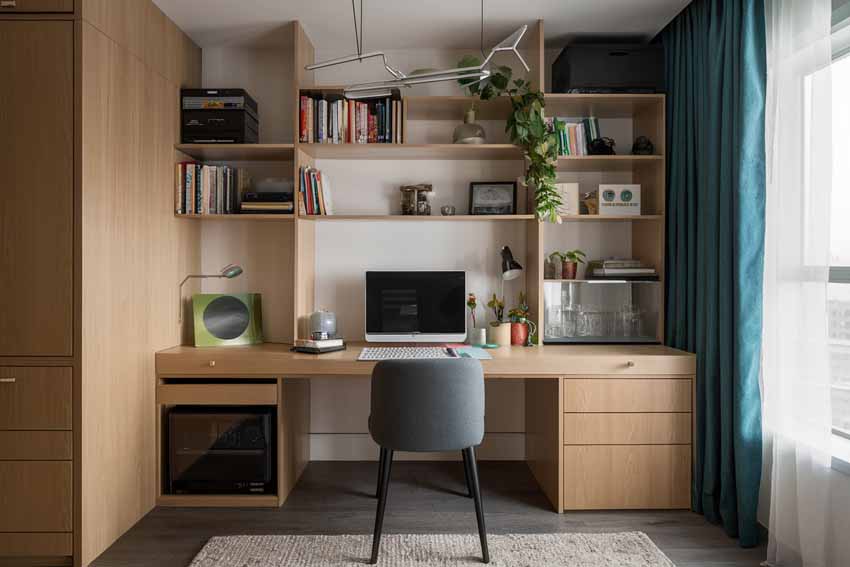
A well-designed study space plays a major role in improving concentration, motivation, and learning efficiency. Whether used by students, professionals, or remote learners, a functional learning environment supports focus, reduces distractions, and encourages consistent study habits.
Creating an effective home study area does not require a large room or expensive furniture. With thoughtful planning and organization, even a small corner can become a productive learning space.
Why a Dedicated Study Space Matters
A consistent study environment trains the brain to associate a specific area with learning. Over time, this improves attention span and reduces procrastination.
Benefits of a dedicated study space include:
- Improved concentration and memory retention
- Reduced distractions from household activity
- Better posture and physical comfort
- Increased motivation to complete tasks
- More efficient time management
Separating study areas from relaxation spaces helps maintain mental clarity and structure throughout the day.
Choosing the Right Location at Home
The first step in designing a productive learning environment is selecting an appropriate location. The space should support quiet thinking and allow uninterrupted work sessions.
Important location factors include:
- Access to natural light
- Distance from television and high traffic areas
- Adequate ventilation
- Enough room for essential supplies
- Stable internet connectivity if required
Even a quiet corner of a bedroom or living room can function effectively when arranged thoughtfully.
Selecting Comfortable and Supportive Furniture
Furniture directly affects posture, comfort, and study duration. Poor seating can lead to fatigue and reduced productivity.
Essential furniture features include:
- A stable desk with enough surface area
- A chair that supports the lower back
- Proper desk height aligned with elbow level
- Space for books, notebooks, and devices
Comfortable seating encourages longer study sessions without physical strain.
Lighting That Supports Focus and Reduces Eye Strain
Lighting is one of the most overlooked elements of study space design. Poor lighting can cause headaches and reduce reading efficiency.
Effective lighting strategies include:
- Positioning the desk near natural daylight
- Using a focused desk lamp for evening study
- Avoiding harsh overhead glare
- Keeping light directed toward the work surface
Balanced lighting improves alertness and helps maintain steady concentration.
Organizing Study Materials for Efficiency
An organized workspace saves time and prevents mental clutter. When supplies are easily accessible, learners remain engaged with tasks instead of searching for materials.
Practical organization methods include:
- Using shelves or storage boxes for books
- Keeping frequently used items within reach
- Labeling folders and notebooks
- Removing unnecessary objects from the desk
A clean workspace supports clearer thinking and stronger productivity habits.
Managing Distractions in a Home Learning Environment
Household distractions can interrupt learning flow and reduce efficiency. Designing the study space to limit interruptions improves attention control.
Ways to reduce distractions include:
- Keeping mobile devices away unless required
- Using noise reducing headphones if needed
- Informing family members about study time
- Maintaining a fixed daily study schedule
Consistency helps the brain adapt to focused learning periods.
Creating a Motivating and Personalized Study Area
A study space should feel welcoming and inspiring. Personal touches can increase motivation without creating clutter.
Simple personalization ideas include:
- Adding a small indoor plant
- Displaying a weekly study plan
- Keeping inspirational quotes nearby
- Using calming wall colors
A comfortable and visually balanced environment encourages regular study habits.
Maintaining Healthy Posture During Study Sessions
Posture influences both physical comfort and concentration levels. Poor alignment can lead to fatigue and reduced productivity over time.
Healthy posture practices include:
- Keeping feet flat on the floor
- Positioning the screen at eye level
- Maintaining a straight back while sitting
- Taking short movement breaks every hour
These adjustments help prevent long term strain and improve learning endurance.
Supporting Time Management Through Workspace Design
A structured workspace encourages structured thinking. When the study environment supports planning and organization, learners complete tasks more efficiently.
Helpful workspace planning tools include:
- A visible study timetable
- A task checklist board
- A weekly goal planner
- Clearly arranged subject folders
Visual planning tools help maintain consistency and accountability.
Encouraging Long Term Study Habits at Home
A functional study space supports routine building. Over time, consistent use of a dedicated learning area strengthens discipline and improves academic performance.
Daily habits that strengthen productivity include:
- Studying at the same time each day
- Keeping the workspace clean after use
- Reviewing goals before each session
- Tracking completed tasks regularly
Small daily routines contribute to lasting learning success.
Frequently Asked Questions
What is the ideal size for a home study space
A study space does not need to be large. A small desk area with proper lighting and storage can support effective learning when organized well.
How can shared homes create effective study areas
Shared homes can use room corners, foldable desks, or portable partitions to create temporary quiet learning zones.
Should study spaces include digital devices
Digital devices are useful when required for learning tasks, but unnecessary devices should be removed to reduce distraction.
How often should a study space be reorganized
Reviewing and reorganizing the study area once every few weeks helps maintain efficiency and prevents clutter buildup.
Are wall colors important in study environments
Yes, calm colors such as light blue, soft green, or neutral tones can support concentration and reduce visual fatigue.
Can plants improve productivity in study spaces
Indoor plants can create a calming atmosphere and improve comfort levels during longer study sessions.
What is the best direction to face while studying at home
Facing a wall with minimal distractions or toward natural light often supports stronger concentration compared to facing busy areas of the home.

Comments are closed.