

Key Takeaways
For patients grappling with severe health issues, plasma donation serves as a lifeline. It provides vital proteins and antibodies necessary for various medical therapies. Each bag of plasma can alter a patient’s trajectory, underscoring the need for donor engagement.
In Laredo, it’s noteworthy that roughly 50% of all collected plasma goes toward treating scarce diseases, spotlighting the area’s urgent call for more donations. Local hospitals have voiced concerns over delays in acquiring plasma-derived treatments.
Worldwide, around 3.5 million patients rely on therapies sourced from human plasma. Yet, the rates of donation are struggling to keep up with this rising demand. That’s why established plasma centers in Laredo play a crucial role in fulfilling these healthcare needs.
Stories from personal donors reveal the substantial influence of plasma donations on both individuals and wider communities. Donors such as Maria and Jake illustrate how their actions not only make a difference but also motivate others, cultivating a spirit of compassion.
Community-focused plasma centers, like ABO Plasma, play a significant role in bolstering local healthcare by ensuring that hospitals have the essential plasma-derived products they need for patient care. They also build community bonds, nurturing support networks for various health initiatives.
The plasma donation process welcomes new donors, presenting a smooth transition through registration, health screening, the donation itself, and post-donation care—prioritizing the safety and comfort of each donor.
First-time donors would benefit from preparing by staying hydrated, eating a light meal, and ensuring they have identification on hand. Many express feelings of accomplishment, realizing they’re contributing to a life-saving mission through their efforts.
Why Plasma Donation Matters: A Lifesaving Impact
Connecting Donors to Patients: A Vital Link
Plasma donation offers hope to countless patients contending with severe health trials. Far from merely blood, the real essence of modern medicine lies in the components derived from it, particularly plasma. This yellowish liquid, which remains after blood cells and other components are filtered out, is rich in the proteins and antibodies that the body needs for immune defense. Experts concur—without the generosity of individuals willing to donate plasma, critical medical therapies would be jeopardized.
This bond between plasma donors and patients cultivates a crucial partnership. Donors, at times unknowingly, become heroes, possibly saving lives with a simple gesture. Within plasma centers, individuals can make a significant difference in just a few hours. Isn’t that remarkable? In reality, each bag of donated plasma might be the key to life for someone in need of treatment.
Statistics That Highlight the Need in Laredo
A closer look at Laredo’s healthcare landscape reveals alarming statistics regarding the urgent demand for plasma. Approximately half of the plasma collected across the U.S. supports patients dealing with rare diseases. Unfortunately, in Laredo, shaped by its unique demographic challenges, the risk of shortages is concerning. Reports indicate that local hospitals face frustrating delays in securing essential plasma-derived therapies.
To put it in perspective, about 3.5 million patients globally depend on therapies made from human plasma, including those dealing with serious ailments such as hemophilia, immune deficiencies, and severe burns. These statistics mirror an increasing demand for plasma. Yet, donation rates continue to lag behind. Without dedicated centers like the one in Laredo, Texas, the foundation of medical care could be at risk.
The lack of plasma donors today directly jeopardizes the treatment options available for patients tomorrow.
Transforming Lives: Personal Stories from Local Donors
Meet the Heroes: Donors Who Made a Difference
Every donor possesses a unique story. Take Maria, for example, a nurse who chose to donate plasma after witnessing patients with compromised immune systems during her shifts. Her efforts not only addressed critical therapy shortages but also inspired her loved ones to contribute. Maria’s narrative illustrates how everyday people can emerge as heroes through a mere act of plasma donation.
Then there’s Jake, a college student whose experience transformed after he started donating plasma. Initially, it was about some extra cash for school, but he quickly learned about the profound impact donations have when he met a mother whose child relied on plasma-derived treatments. This encounter reshaped Jake’s outlook, firmly establishing his dedication to give back on a regular basis.
- Meet the local hero: Maria.
- College student Jake transformed through giving.
- Countless untold stories pulse through the community.
How Plasma Donation Changed Lives in the Community
The positive ripples of plasma donation stretch well beyond the individual. Whole families often share in the blessings. When residents in Laredo step forward to donate, they foster a culture rooted in generosity and empathy. This practice strengthens community bonds, as donors frequently engage with one another, sharing their motives and encouraging each other. They become entrenched in a common mission—collectively promoting healing and recovery.
Consider the story of a local mother whose child was diagnosed with a rare blood disorder. Thanks to plasma donations, she could access necessary treatments faster than she had anticipated. Tales like hers make the rounds within communities, affirming the importance of unified efforts. Plasma donations evolve into powerful stories of hope and resilience, showcasing how community actions lead to momentous changes well beyond expectations.
The Process Made Easy: What to Expect at ABO Plasma
A Step-by-Step Overview of Plasma Donation
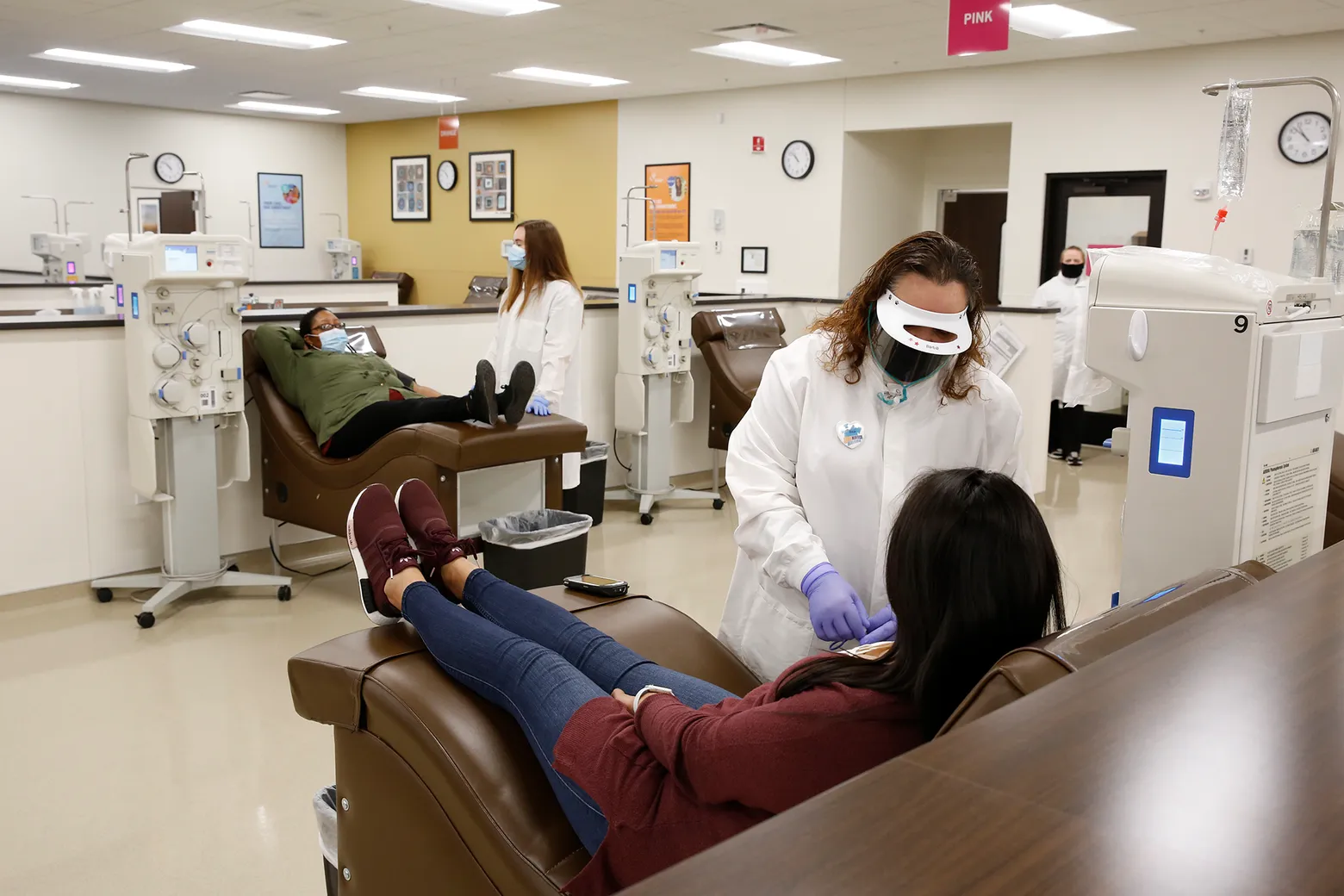
For those eager to become plasma donors, grasping the process is essential. At ABO Plasma, the steps are streamlined and crafted to ensure a pleasant donation experience. The first visit involves several clear steps, guiding donors smoothly from start to finish.
- Registration: Complete a questionnaire to establish donor eligibility.
- Health Screening: A swift check of medical history and vital signs ensures safety for both donor and recipient.
- Donation: The donation usually lasts around 45 minutes to an hour, allowing donors to relax while trained personnel support them throughout.
- Post-Donation Care: Refreshments are provided to help replenish energy after the process.
Every aspect of the experience is designed to feel warm and welcoming. Precision is key during each step; safety remains paramount. Skilled staff strive to ensure that donors are comfortable, cultivating an inviting atmosphere that encourages repeated participation.
What New Donors Should Know Before Their First Visit
Walking into a plasma center in Laredo, Texas for the first time may feel intimidating. However, preparation can truly enhance the experience. First-time donors often seek advice on what to remember before their initial visit. Here are some helpful tips to make the experience as seamless as possible:
- Hydrate: It’s crucial to drink plenty of water before arriving. Good hydration can improve the donation process.
- Avoid Heavy Meals: Sticking to a light meal is recommended. Hearty meals may contribute to discomfort during the donation.
- Bring Identification: Ensure a valid ID is available, as it’s necessary for registration.
- Wear Comfortable Clothing: Opt for short sleeves or attire that allows for easy access to veins.
Most importantly, potential donors should approach their visit with an open mindset. While nerves are common, many leave feeling accomplished. This time investment translates into life-changing outcomes.
Community Benefits Beyond Donation: Supporting Local Initiatives
How Plasma Centers Fuel Local Healthcare Resources
Community plasma centers such as ABO Plasma play a vital role in enhancing local healthcare resources. They not only supply life-saving plasma but also support nearby hospitals and medical facilities by ensuring the availability of essential products for patient care. Without these centers, local health systems would find it increasingly challenging to meet the escalating need for plasma-derived therapies.
Patients across Laredo rely on local medical resources for their treatments. Plasma centers create direct lines of connection between donors and the healthcare community, reinforcing a beneficial cycle of giving. This guarantees that local healthcare professionals have what they need to adequately care for patients.
- Promotes Research: Donations aid in clinical trials that drive medical breakthroughs.
- Supports Local Economy: Job creation within plasma facilities contributes to regional stability.
- Educates the Community: Plasma centers work to raise awareness regarding the importance of plasma donation and engage communities in health discussions.
This is How Donors Strengthen Community Solidarity
The essence of plasma donation transcends personal contributions. Donors build community solidarity by joining forces towards shared health goals. It’s not merely one person stepping forward; it’s the formation of a collective safety net that reassures those grappling with health challenges. Stories of collaboration and unity spread through schools, workplaces, and neighborhoods, fostering a spirit of shared responsibility for the community’s well-being.
In giving plasma, donors are not just saving lives; they embody a profound spirit of unity.
The synergy of connection fuels a culture of giving. As more individuals engage with plasma centers, they spark a movement that bolsters the overall health of their community. Real transformation occurs when community members band together in purpose-driven efforts, improving the lives of many across Laredo.
FAQ
What are the eligibility requirements for donating plasma?
Eligibility typically includes being at least 18 years old, weighing a minimum of 110 pounds, and being in good health. Potential donors should also discuss their medical history and current medications with center staff to clarify any specific guidelines.
Can plasma donation be repeated, and if so, how often?
Yes, plasma donation can be done frequently. Most centers allow donations every 28 days, maximizing the benefits for both donors and recipients. Regular contributors play a crucial role in sustaining plasma supplies.
What health benefits can donors experience from donating plasma?
Donating plasma may offer several benefits, including improved cardiovascular health and enhanced blood circulation. Many donors report feeling a greater sense of community involvement and personal satisfaction, knowing their contributions directly support the health of others.
How does the plasma donation process accommodate first-time donors?
First-time donors receive specific attention and support during their visit. Staff members guide them every step of the way, ensuring they feel informed and at ease while answering questions along the way. This personalized approach builds confidence and trust in the donation experience.
Are there specific medical conditions that disqualify someone from donating plasma?
Some medical conditions can disqualify individuals, particularly those related to infectious diseases or autoimmune disorders. Pregnant or nursing women are also ineligible. Consulting with the plasma center’s medical staff can provide clarity on personal eligibility based on health history.
How do plasma donations impact clinical research and advancements?
Plasma donations significantly enhance clinical research by supplying essential materials for studies aimed at discovering new therapies. These donations not only support medical advancements but also deepen the understanding of various health conditions, ultimately benefiting future patients.
What role do community plasma centers play in public health education?
Community plasma centers actively participate in public health education by raising awareness about the importance of plasma donation and its life-saving effects. Through outreach programs, they inform the public and strive to improve overall engagement in health initiatives.
How can someone get involved beyond just donating plasma?
Beyond simply donating plasma, individuals can engage in local advocacy efforts, volunteer at plasma centers, or become ambassadors for promoting donation awareness in their communities. Participating in local health initiatives fosters a culture of giving and collective support for health-related causes.

Comments are closed.