

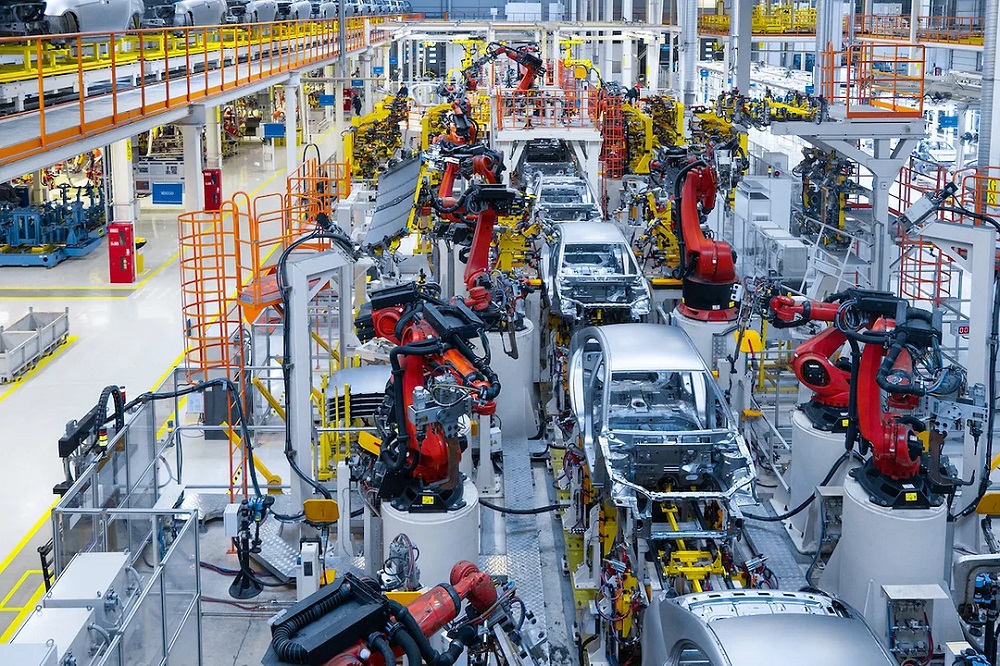
Introduction
The automobile industry is one of the most influential sectors in the global economy. It supports millions of jobs, drives industrial growth, and plays a central role in transportation infrastructure worldwide. From traditional fuel vehicles to advanced electric mobility solutions, the sector continues to evolve rapidly.
Today, the industry is shaped by digital transformation, sustainability demands, and changing consumer expectations. Manufacturers are investing heavily in innovation to remain competitive in a fast-changing mobility ecosystem.
Major Segments of the Automobile Industry
The auto sector consists of several interconnected segments that together support mobility needs across markets.
Passenger Vehicles
- Sedans
- Hatchbacks
- SUVs
- Crossovers
Passenger vehicles dominate urban transportation and continue to see rising demand due to increased affordability and financing options.
Commercial Vehicles
- Light commercial vehicles
- Medium duty trucks
- Heavy duty trucks
- Buses
These vehicles support logistics, construction, and public transport infrastructure.
Electric Vehicles
- Battery electric vehicles
- Plug-in hybrid vehicles
- Hybrid electric vehicles
Electric mobility is currently the fastest growing segment within the automotive sector.
Two Wheelers
- Motorcycles
- Scooters
- Mopeds
Two wheelers are especially popular in emerging economies due to affordability and convenience.
Key Components of an Automobile
Every vehicle is built from several essential mechanical and electronic systems that ensure safety and performance.
Engine
The engine converts fuel energy into mechanical power and determines vehicle performance capability.
Transmission System
This component transfers engine power to the wheels efficiently.
Braking System
Modern braking systems include ABS technology that enhances vehicle safety.
Suspension System
The suspension improves ride comfort and vehicle stability across uneven road conditions.
Emerging Technologies in the Auto Industry
Technological advancement is reshaping how vehicles are designed, manufactured, and operated.
Electric Mobility
Electric vehicles reduce carbon emissions and dependency on fossil fuels. Governments across the world are supporting EV adoption through policy incentives and infrastructure development.
Autonomous Driving
Self driving systems use sensors, cameras, and artificial intelligence to navigate roads safely with minimal human intervention.
Connected Vehicles
Vehicles can now communicate with other vehicles, infrastructure, and cloud platforms to improve safety and efficiency.
Advanced Driver Assistance Systems
Features such as lane keeping assist, adaptive cruise control, and automatic emergency braking enhance driver safety significantly.
Factors Influencing Growth of the Auto Industry
Several economic and technological factors determine the performance of the automobile sector.
Urbanization
Rapid expansion of cities increases demand for personal mobility solutions.
Rising Disposable Income
Higher purchasing power encourages consumers to invest in personal vehicles.
Government Policies
Emission norms, safety regulations, and EV incentives influence production and adoption trends.
Fuel Prices
Fluctuating fuel prices impact consumer preferences between petrol, diesel, hybrid, and electric vehicles.
Environmental Impact and Sustainability Efforts
Environmental responsibility has become a major priority for automobile manufacturers.
Companies are focusing on:
- Electric mobility adoption
- Lightweight vehicle materials
- Alternative fuels
- Improved fuel efficiency technologies
Sustainability is no longer optional. It is a strategic requirement for long term growth in the sector.
Challenges Facing the Automobile Industry
Despite strong growth potential, the sector faces several structural challenges.
Supply Chain Disruptions
Shortages of semiconductors and raw materials affect vehicle production timelines.
Regulatory Compliance
Strict emission standards increase manufacturing costs.
Infrastructure Limitations
Charging infrastructure gaps slow electric vehicle adoption in many regions.
Consumer Preference Shifts
Ride sharing platforms and public transport alternatives influence private vehicle ownership patterns.
Future Outlook of the Auto Industry
The future of mobility is expected to be cleaner, smarter, and more connected.
Key future trends include:
- Expansion of electric vehicle ecosystems
- Growth of autonomous driving capabilities
- Integration of artificial intelligence in vehicle systems
- Increased adoption of shared mobility solutions
Manufacturers that adapt quickly to these shifts will lead the next generation of transportation innovation.
Frequently Asked Questions
1. What is the role of the automobile industry in economic development
The automobile industry generates employment, supports manufacturing ecosystems, and contributes significantly to national GDP through exports and domestic production.
2. Why are electric vehicles gaining popularity worldwide
Electric vehicles reduce emissions, lower operating costs, and align with global sustainability goals supported by government incentives.
3. What are connected vehicles
Connected vehicles use internet enabled systems to communicate with infrastructure, other vehicles, and digital platforms to improve safety and navigation.
4. How does autonomous driving technology work
Autonomous vehicles rely on sensors, cameras, radar systems, and artificial intelligence algorithms to detect surroundings and make driving decisions.
5. What challenges affect automobile manufacturing today
Major challenges include semiconductor shortages, supply chain disruptions, regulatory compliance requirements, and rising production costs.
6. How do government policies influence the auto sector
Policies related to emissions, safety standards, and electric mobility incentives directly shape vehicle design, pricing, and adoption rates.
7. What is the future of fuel powered vehicles
Fuel powered vehicles are expected to gradually decline in dominance as electric and hybrid mobility solutions become more widely adopted globally.

Comments are closed.